
On Mirage, Ts sometimes need solo plays to create space for the team. Done at the right time, these moves can shift control and open up new options. This lesson explains how to approach them.
Solo Plays on Mirage as T
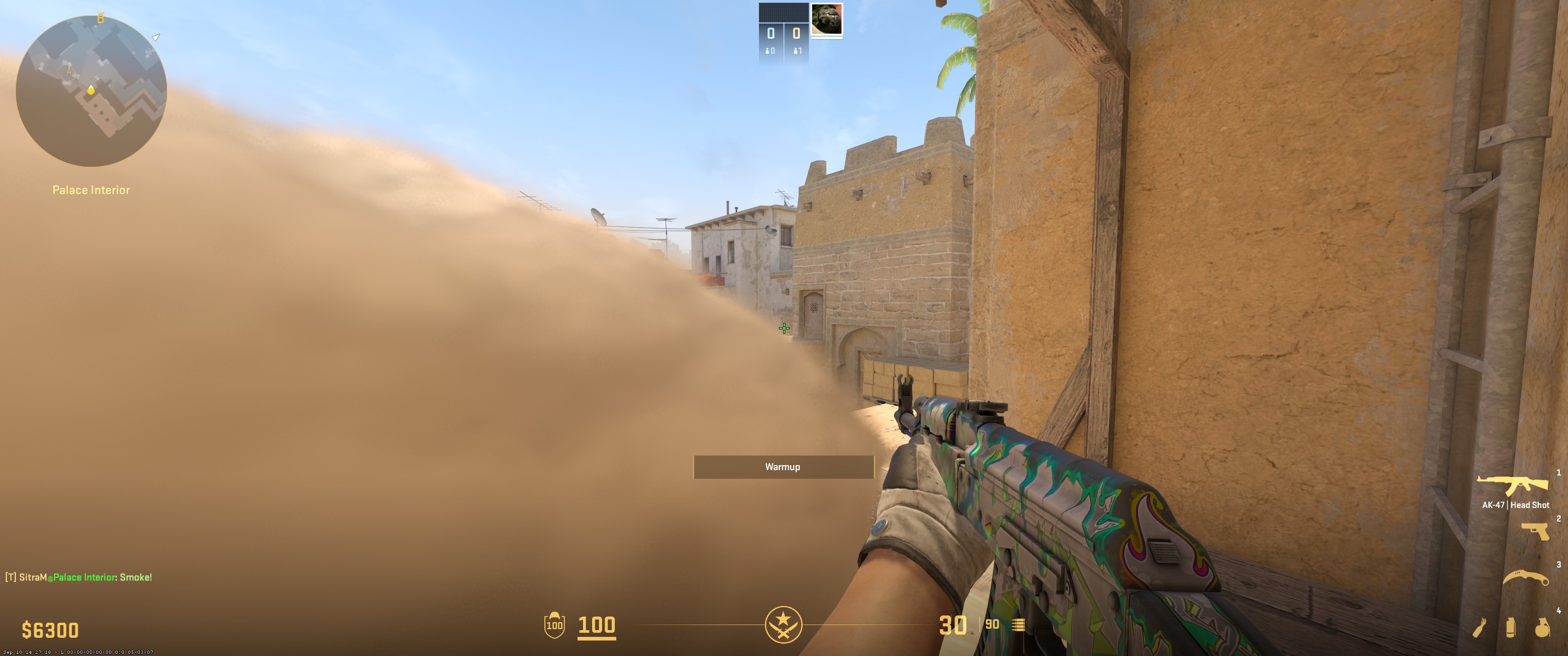
The lesson highlights exact strategies that show how solo actions can add value without turning into reckless risks. A well-timed play can gather information, force rotations, or even secure the opening pick that sets up the round.
Patience separates strong solo plays from weak ones. The lesson explains how waiting for the right timing and using utility carefully can turn a solo move into real impact. The goal is to give the team something to build from, not to gamble the round away.
Communication makes these plays effective. The lesson shows how calling your push or sharing what you see keeps the rest of the team ready to react. A solo play is strongest when it becomes part of the wider plan.
Conclusion
Solo plays on Mirage as T depend on timing, patience, and communication. The lesson walks you through strategies that make them effective.